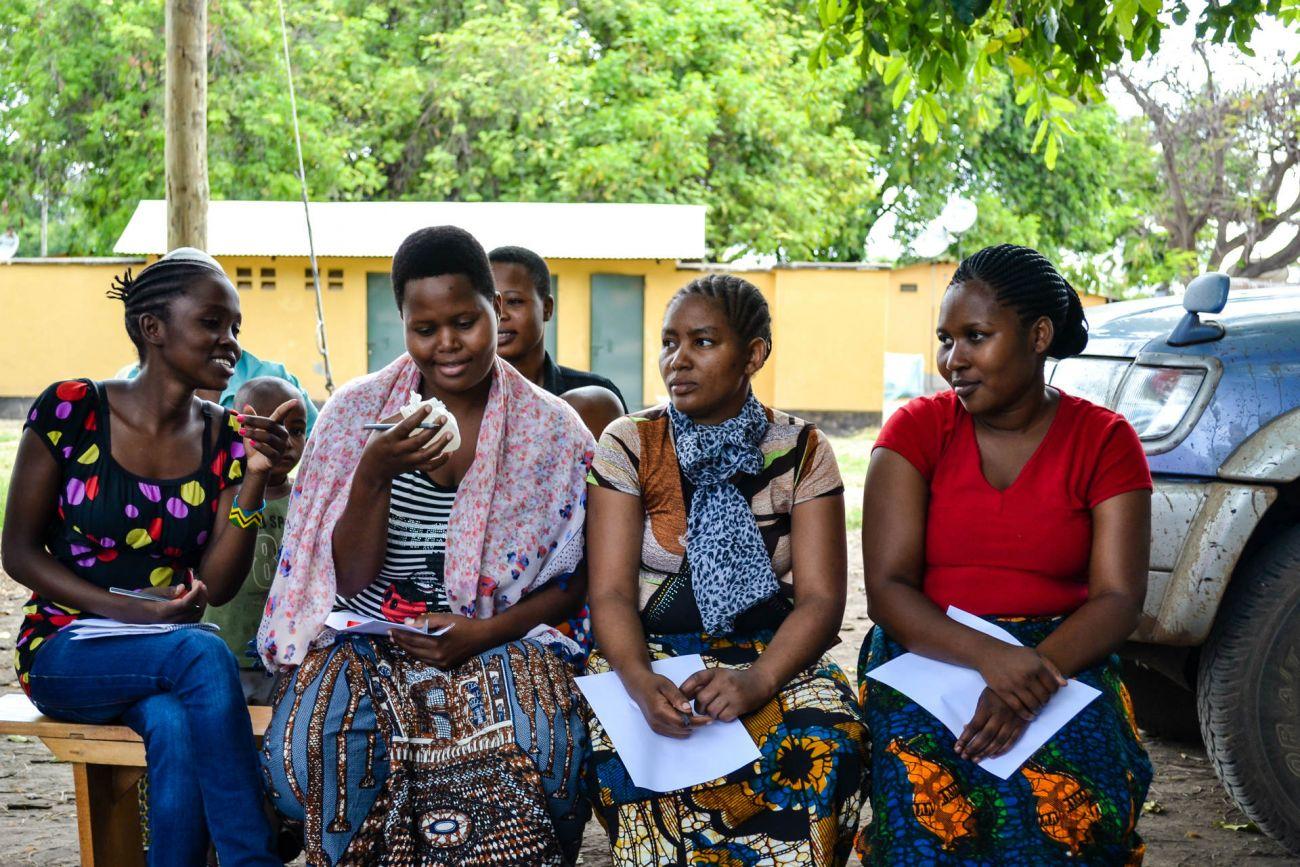
Tanzania is an excellent example. An economically unstable country that ranks among the world’s poorest, the East African republic knows how to use its limited resources to build and advance. Tanzania has become well-known in the 3D printing world for its e-waste 3D printers, built at its Buni Innovation Hub, a technological hub, makerspace, and startup incubator aimed at advancing the country’s economy through technology.
All of this occurs despite scarce and intermittent technology, which spurred the team at Kuunda 3D to take a cross-country road trip with an Ultimaker 2 Go 3D printer in November 2016. The goals of Kuunda 3D, a 3D printing service bureau and retailer based in the city of Dar es Salaam (also the location of Buni Innovation Hub) were to travel to the most rural areas in the country to see how well a 3D printer could operate in dusty conditions with little or no electricity, as well as to investigate the feasibility of teaching 3D design and printing to local villagers and come up with new ideas for using 3D printing to improve village life.

The electricity was down for maintenance when the team arrived, so they began by explaining the concepts of 3D printing and passing around 3D printed samples until the power was restored.
“Explaining 3D design and 3D printing in Swahili was a real challenge because the language does not contain the words for 3 dimensional,” the team states. “But Kayvan was up to the challenge, and first explained the concepts of length, width, and height in Swahili before explaining how a small machine can take 3D designs created on a computer and produce physical objects in plastic!”
Once the electricity was restored, they booted up the Ultimaker 2 Go and printed a simple sewing measurement tool from a Thingiverse model, as it was a quick 15-minute print and also a useful tool. A group of primary school students dropped by during the print, and were given a lesson in how the printer worked. The kids were fascinated by the toys Kuunda 3D had brought along as samples, as plastic toys aren’t readily available in their area.

Once the demo was finished, the women came up with a list of useful items they could 3D print, including buttons, plastic flowers, customized jewelry and hair ornaments, kitchen utensils and dishes, and chairs, tables, and dustbins. Then the Kuunda 3D team headed back to Kahe Town for a new challenge: 3D printing without power.
The audience for the afternoon demo was a group of Mount Kilimanjaro porters and motorcycle mechanics, and the location was completely without electricity, with no expectation that it would come back on anytime soon. However, a villager offered the use of his solar panel system, which he uses to power his lights and TV during the village’s frequent power outages.
“Because the power consumption of an Ultimaker 2 Go is similar to a TV, we were able to run a 15 minute print off the inverters without problems,” the Kuunda 3D team explains. “We are pretty sure this was groundbreaking in the world of technology. Just think, we ran a 3D printer powered by a solar panel in rural Africa.”
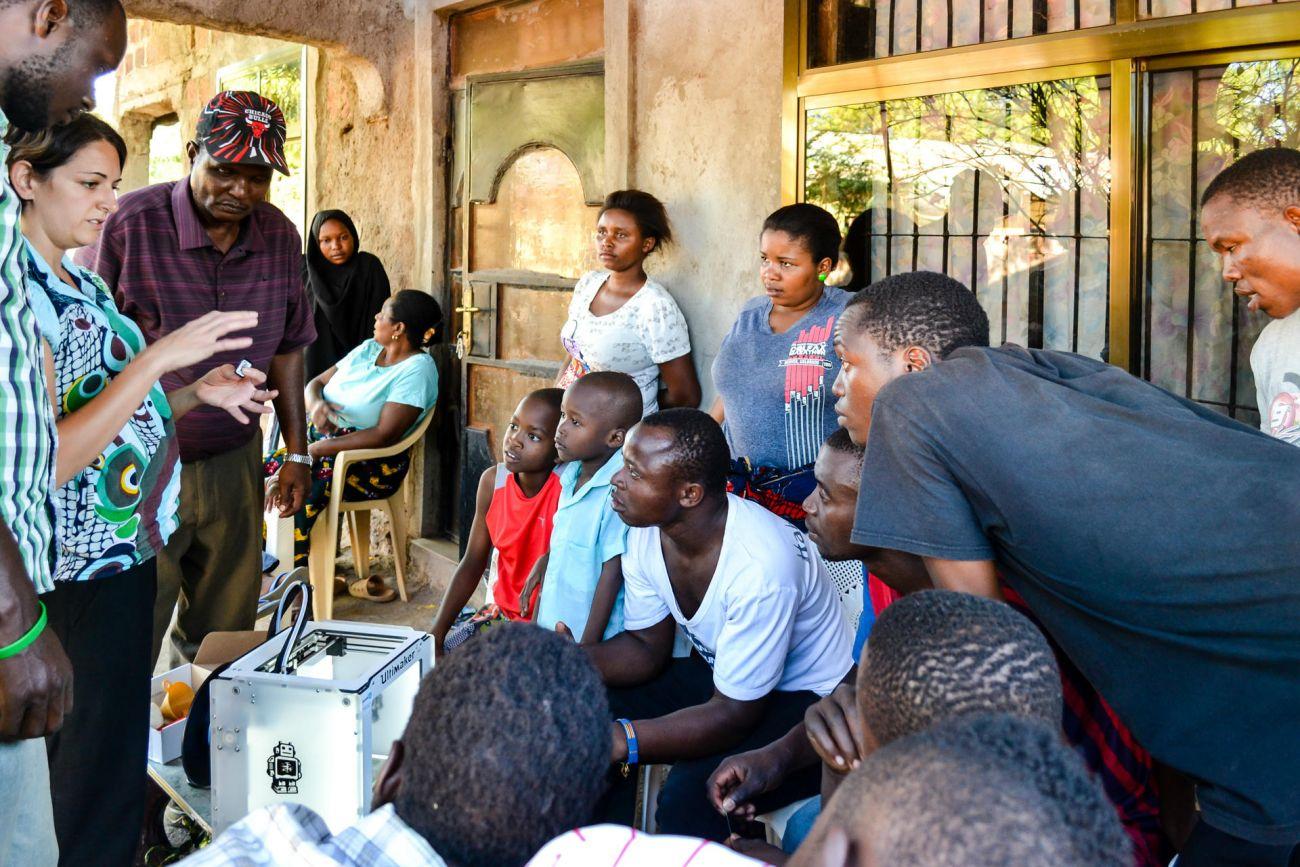
Again, the villages came up with several useful ideas for items that they could 3D print, including light switches, lightbulb holders, bag locks, clothes pegs, plastic shoes, and spare parts for bicycles, cars and motorcycles. Altogether, the attendees at both demonstrations came up with almost 50 ideas for things that can be 3D printed for use in daily life. As Kuunda 3D returns to their headquarters, they will be designing and 3D printing some of the villagers’ ideas and sending them to them to try out.
Kuunda 3D is now looking for an organization or individual to donate a 3D printer to TPAA so they can print and sell items in their community. If you’re interested in helping or getting involved, you can email info@kuunda3d.com. Discuss in the Kuunda 3D forum at 3DPB.com.