
Sintavia’s quick rise is largely thanks to its impressive range of in-house technology, which includes six high-speed metal 3D printers, a full metallurgical laboratory, a micro powder lab, and more. Now the company has announced that its material and processing capabilities have further expanded; the facility has now developed full end-to-end parameters for 3D printing in F357 aluminum, along with other Al-Si alloys.
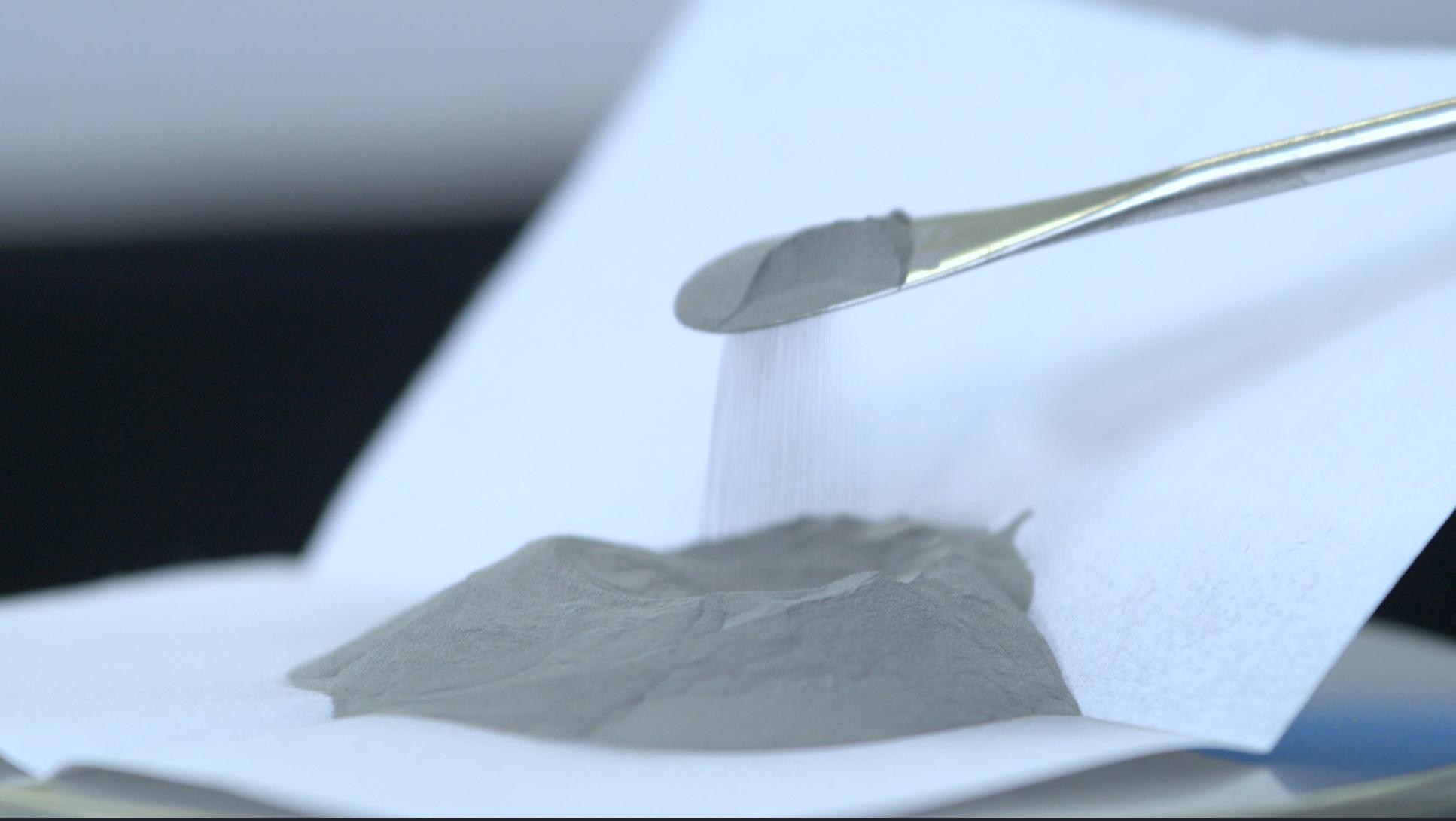
Aluminum alloys are still something of a relative rarity in 3D printing; the majority of aluminum alloy components are still produced using traditional casting technologies. Sintavia aims to change that, opening up new possibilities for companies that want to expand into advanced manufacturing with foundry-grade aluminum alloys. The company’s proprietary process for 3D printing F357 aluminum powder was developed particularly for the aerospace and automotive industries, which require metal parts with low density, good processability, and heat conductivity.
“We are seeing an increased demand for additively manufactured Al-Si parts from both the aerospace and automotive industries,” said Doug Hedges, Sintavia’s President and COO. “With Sintavia’s comprehensive manufacturing capabilities, we have developed processes to make F357 aluminum specimens and quickly test them to demonstrate they meet or exceed these industries’ strict validation parameters.”

Sintavia developed the aluminum printing process in response to demands from OEMs for better quality and reduced cycle times. As we know, 3D printing has the capability to meet those demands in many cases across multiple industries; Sintavia’s process combines the speed of additive manufacturing with the additional benefits of top-notch powder analysis, post-processing, and mechanical testing, offered on-site.
This is good news not only for Sintavia’s clients, who will benefit from speed, data security and quality from beginning to end, but for Sintavia itself, which continues to reinforce its position as a leader in metal additive manufacturing – an impressive status for such a young company.
At the end of 2016, Sintavia additionally became the first dedicated additive manufacturing laboratory to receive ISO 17025 accreditation from the American Association for Laboratory Accreditation, having achieved precise, accurate data for tests and calibration on a consistent basis to receive what is known as the world’s highest recognized quality standard. Of this standing, Hedges said:
“As the first dedicated AM manufacturer to achieve ISO 17025 accreditation Sintavia once again is at the leading edge of the industrial application of AM technology. Serial production is all about serial quality, and this achievement speaks to our commitment to the highest standards at every step of AM production. From when the powder arrives at our facility to when the finished parts leave the dock, we maintain complete control over the integrity of the product. Anything less would be a disservice to our customers.”
Discuss in the Sintavia forum at 3DPB.com.