
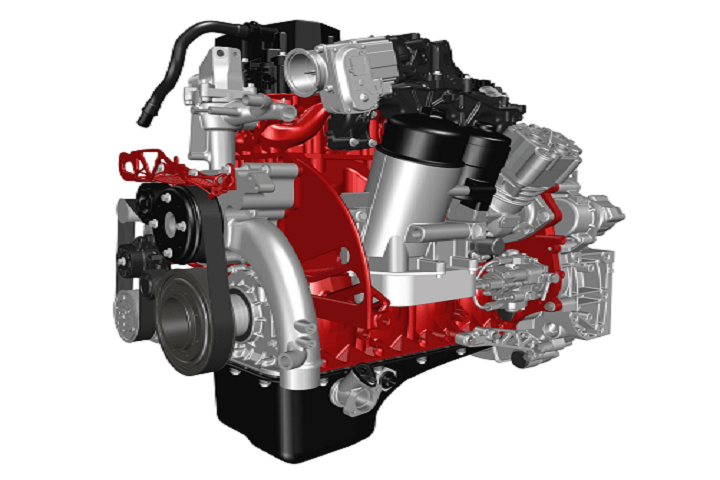


Renault engine, manufactured through 3D printing
Renault, founded in 1894, is part of the Volvo Group (which is no stranger to 3D printing), and the company is active in over 100 countries, though the design, assembly, and production of most of its vehicles take place in France. Its commercial vehicles, weighing anywhere from 2.8 to 120 tons, are available for many transportation needs, from regional distribution to long distance deliveries and even defense. The trucks offer low fuel consumption, which allows the company to better control operating costs and deliver greater productivity.
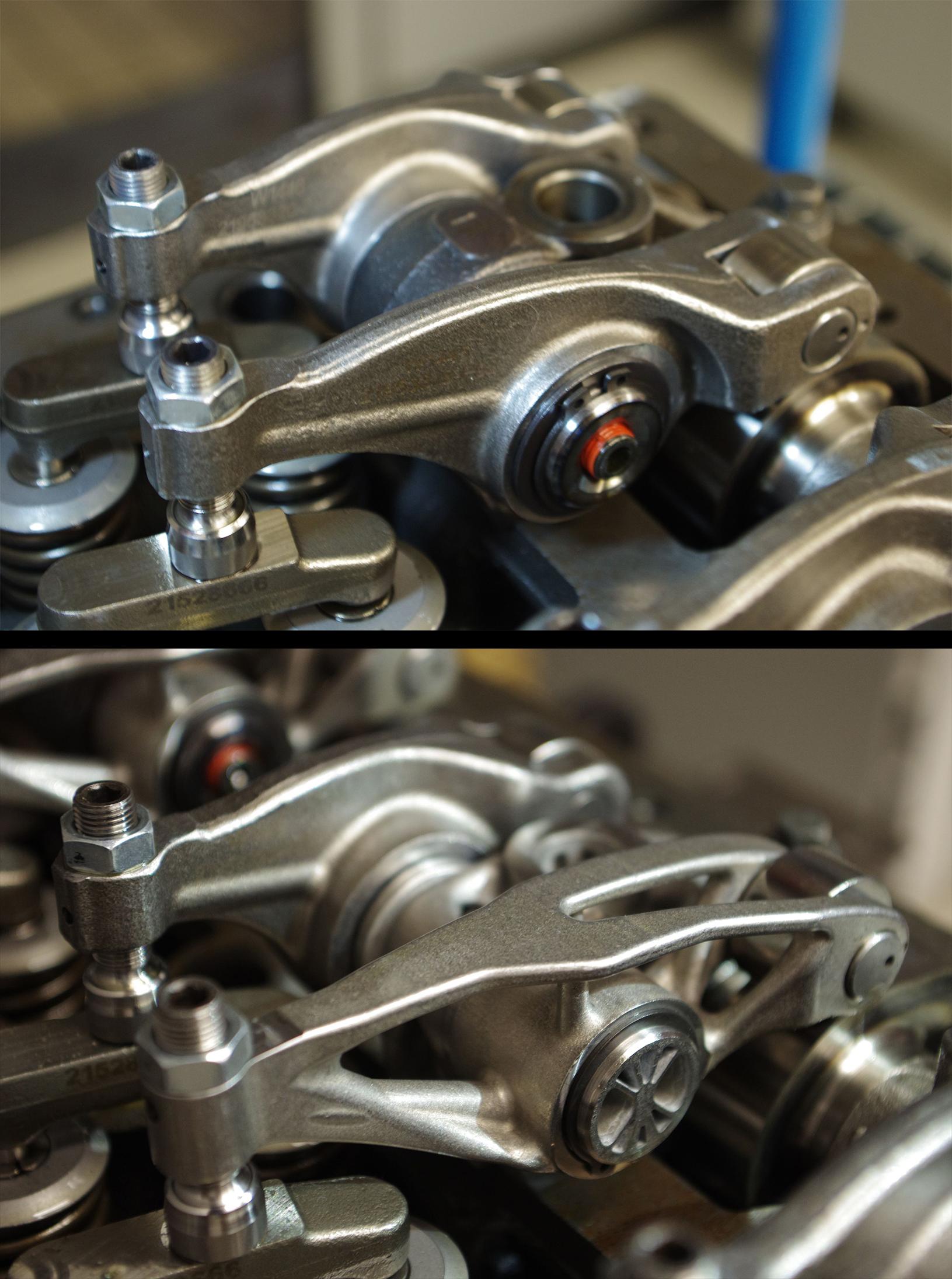
Original Euro 6 DTI5 rocker arm; rocker arm manufactured by 3D printing
The company’s Lyon Powertrain Engineering department has been focusing its efforts recently on utilizing metal additive manufacturing in the future processes of manufacturing the engines. The technology can offer all kinds of new development opportunities for the thermal engines. It was recently announced that 3D printing was exclusively used to help design a prototype DTI 5 four-cylinder Euro 6 step C engine.
The complete engine was already designed virtually, but the camshaft bearing caps and rocker arms were manufactured using metal 3D printing, placed inside the Euro 6 engine, and bench-tested for 600 hours with great success.
Damien Lemasson, project manager at Renault Trucks, said, “The aim of this project is to demonstrate the positive impact of metal additive manufacturing on the size and weight of an engine. This process has enabled us to reduce the weight of a 4-cylinder engine by 120 kg or 25%. The tests we have carried out prove the durability of engine components made using 3D printing. It’s not just cosmetic.”

Left: Renault Trucks DTI5 Euro 6 engine, 841 parts; Right: Same engine, designed with 3D metal printing
For companies that haul loads for a living, like Renault, using metal additive manufacturing to create complex forms can offer numerous advantages. Overall operating costs for the company’s fleet of vehicles, as well as the size of its parts, can be optimized, and there can also be a reduction in the number of assembly operations, which also means reducing the number of components in the engine. The original number of components in the Renault DTI 5 Euro 6 engine totaled almost 850. This number has been reduced by 25%, with 200 fewer parts, using metal additive manufacturing. This reduction in the engine volume will “lead to greater payloads and lower fuel consumption,” which Renault prides itself for already.
“Additive manufacturing releases us from constraints and unlocks the creativity of engineers,” explained Lemasson. “This procedure is a source of disruptive technology for the engines of tomorrow, which will be lighter and more functional, thereby offering optimal performance.”
For the time being, metal additive manufacturing will be used at Renault for just small runs and extremely specific applications. Once these initial tests are successfully completed, Renault engineers will continue working with the technology to keep increasing the functionality and overall performance of the truck components. Discuss in the Renault forum at 3DPB.com.
[Source/Images: Renault Trucks]