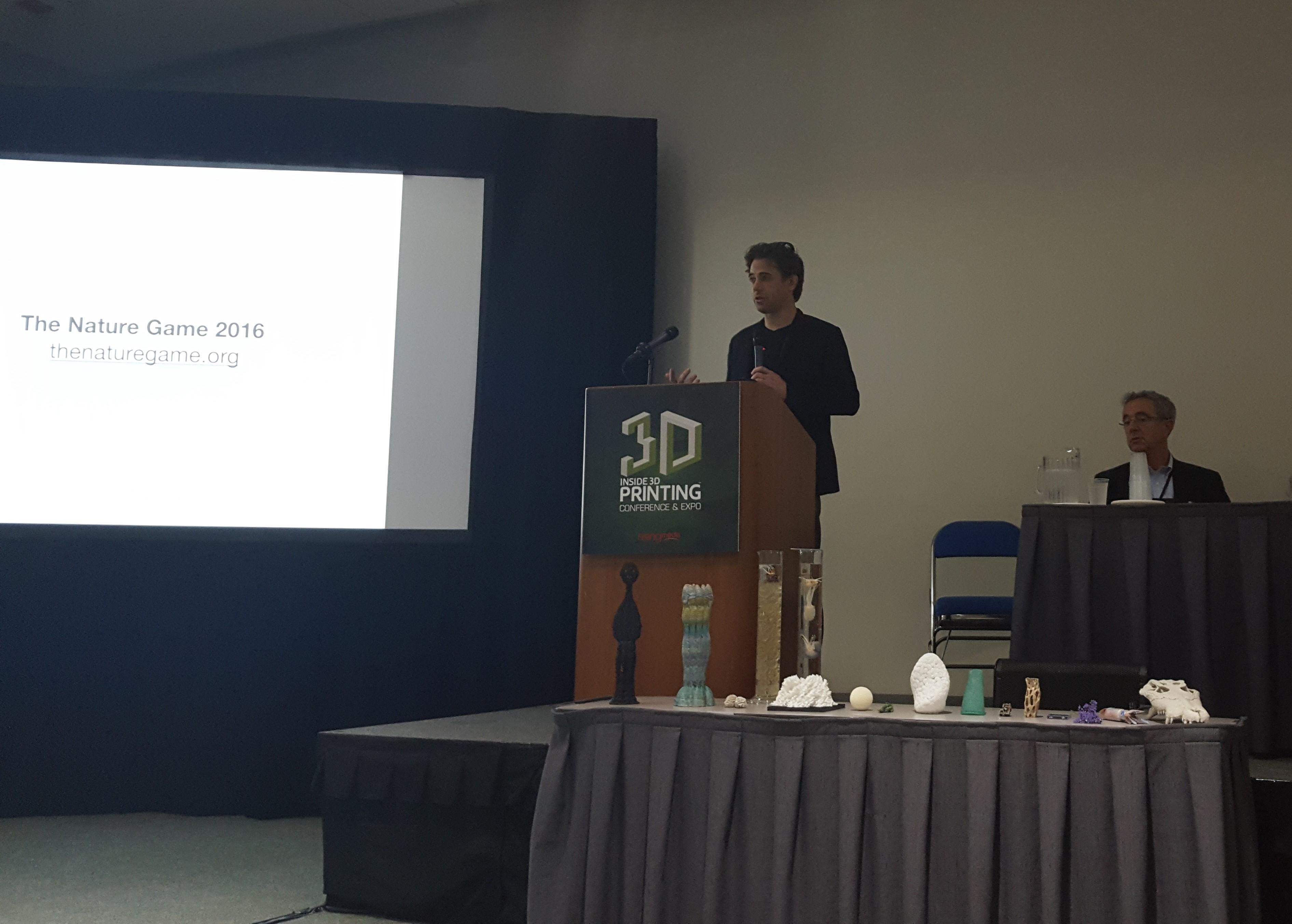
The prompt is straightforward, though it is ultimately anything but simple:
“As advanced modeling technologies continue to make significant strides toward ever increasing control over design, manufacturing and creation processes, there is a new question to consider:
Can an object be explicitly designed and fabricated by humans that seems to be naturally grown and/or expresses properties and complexity only found in naturally produced objects?”
Throughout the two-day conference, attendees were invited to stop by The Nature Game’s booth on the exhibit hall floor to examine 18 objects. Finally, at Thursday afternoon’s panel, the answers were revealed, as we could find out which had been created by nature and which through human design.

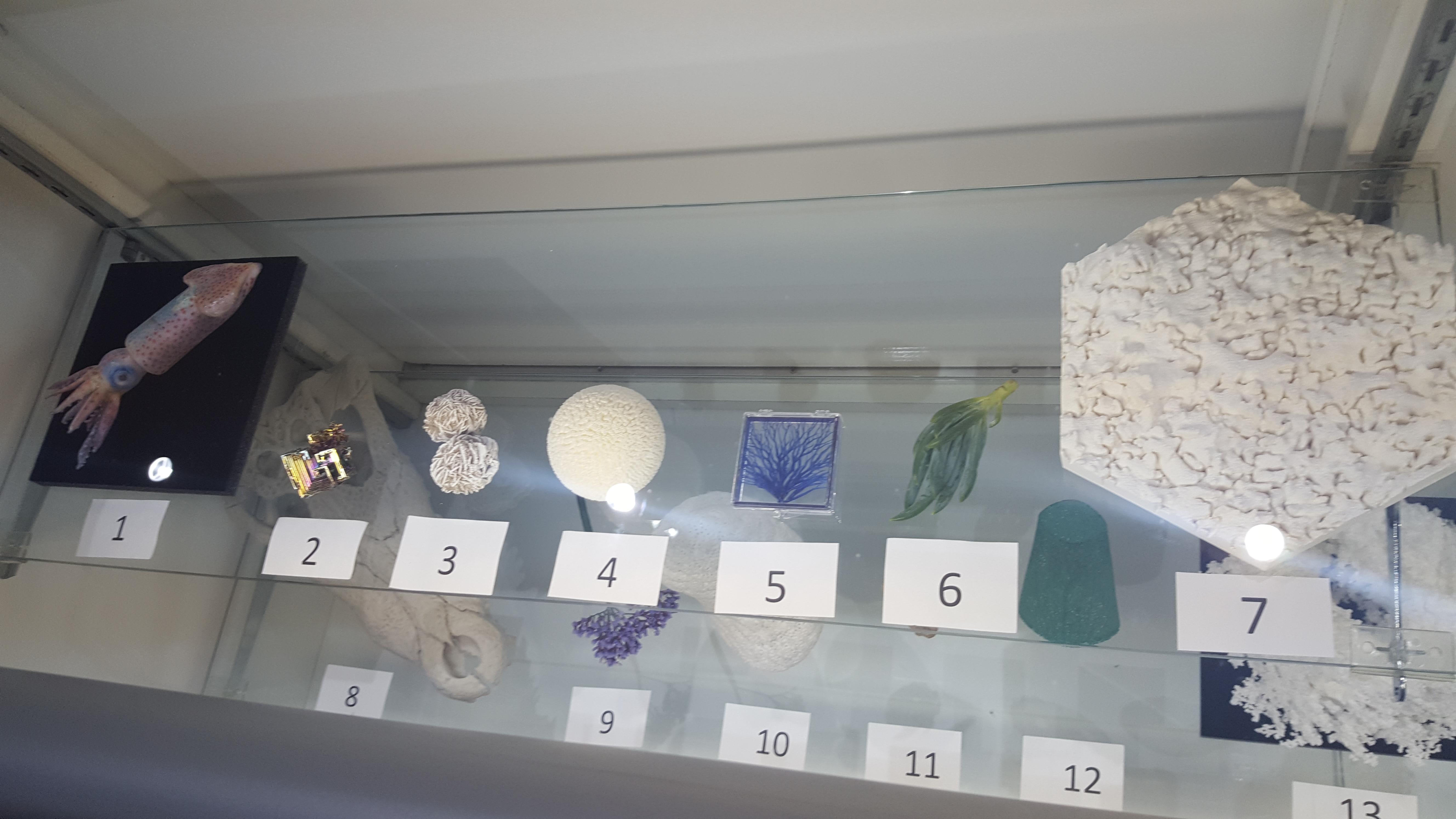
When I stopped by the booth on Wednesday to take a look at the varied objects, I declined to vote. I wanted to remain impartial as a journalist (and I have a personal tendency to be very wrong when voting between two choices). I did chat with Uformia’s CTO, Turlif Vilbrandt, though, about the objects and the nature of the game.
While repeatability is often a focus on successful manufacturing, one light I had not given much thought to about this aspect of production is that repeatability is key in separating nature from man; natural production can never be truly replicated. Vilbrandt used the example of a mixed can of paint to illustrate the difference, telling me that while two hues may be mixed by human hand, it would be impossible to truly replicate the same pattern of swirl between two batches, as nature does still play into the process. The objects on display that had been made by human design were necessarily fully replicable, then; every groove and orifice would be able to be recreated in exact duplicate, and this is the key to what separates the two categories we see in The Nature Game.
Fast forwarding then to Thursday’s panel presentation, I was among the crowd keen to discover the origins of each of these objects.
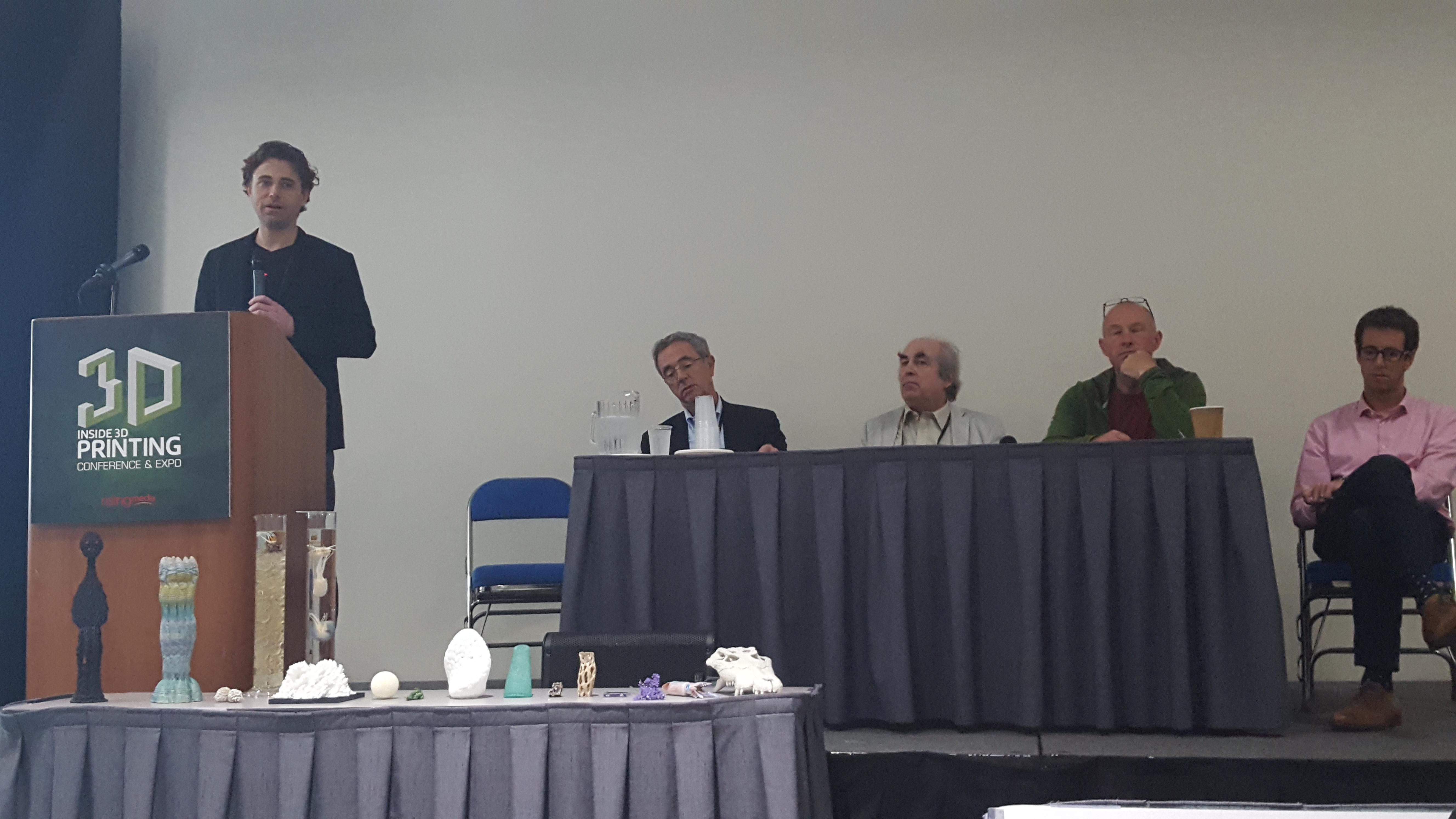
“When might 3D printing be beyond detection from nature?” Tyler Benster of Asimov Ventures asked as he kicked off the session.
Present alongside Uformia’s Vilbrandt were a representative from Organovo, a sculptor using 3D printing to reimagine how we make art, a physicist, and a New Zealand-based university lecturer. These individuals of such varied backgrounds were brought together by a shared interest in this unique project.
As the results came in, those involved in The Nature Game indicated that despite the premise of the project, they had not necessarily expected to see quite the split they did, with several objects seeing a 50/50 split in votes from viewers unable to decide whether a piece had been made by nature or by the latest in technology.
As 3D printing continues to expand its capabilities, with incredible work from designers and software developers alongside the hardware capabilities to bring highly detailed and organic-appearing structures into the physical world, we may continue to see the lines blur between what is natural and what has been made. Taking the concept of a “maker” to an entirely new level, creations that make viewers do a double-take will certainly take their place in the 21st century as generative design and complex structures bring together nature and maker.
Full results are as follows, as Vilbrandt shared:
- 1. Human — Peter Fried: The Blaschka Squid (We have in fact seen this beautiful model before.)
- 71% of voters correctly identified this as being human-made
- 2. Nature — Bismuth
- About a 50/50 split among voters
- 3. Nature — Desert Rose Gypsum
- Almost 100% correctly identified

- 4. Human — Seth Astle
- About 60% of voters thought this was manmade
- 5. Human — Evan Kuester: Vascular Tree
- About 65% thought this was manmade
- 6. Nature — Ice Jade
- 97% correctly identified this piece
- 7. Human — Andy Lomas: Cellular Form
- About 65%
- 8. Human — Marco Teran: Alligator Skull
- About a 50/50 split
- 9. Nature — Statice
- 100% identified
- 10. Human — Alan: Buggy Lamp
- About 60% thought human-made
- 11. Nature — Cactus Fiber
- About 65% thought this was natural
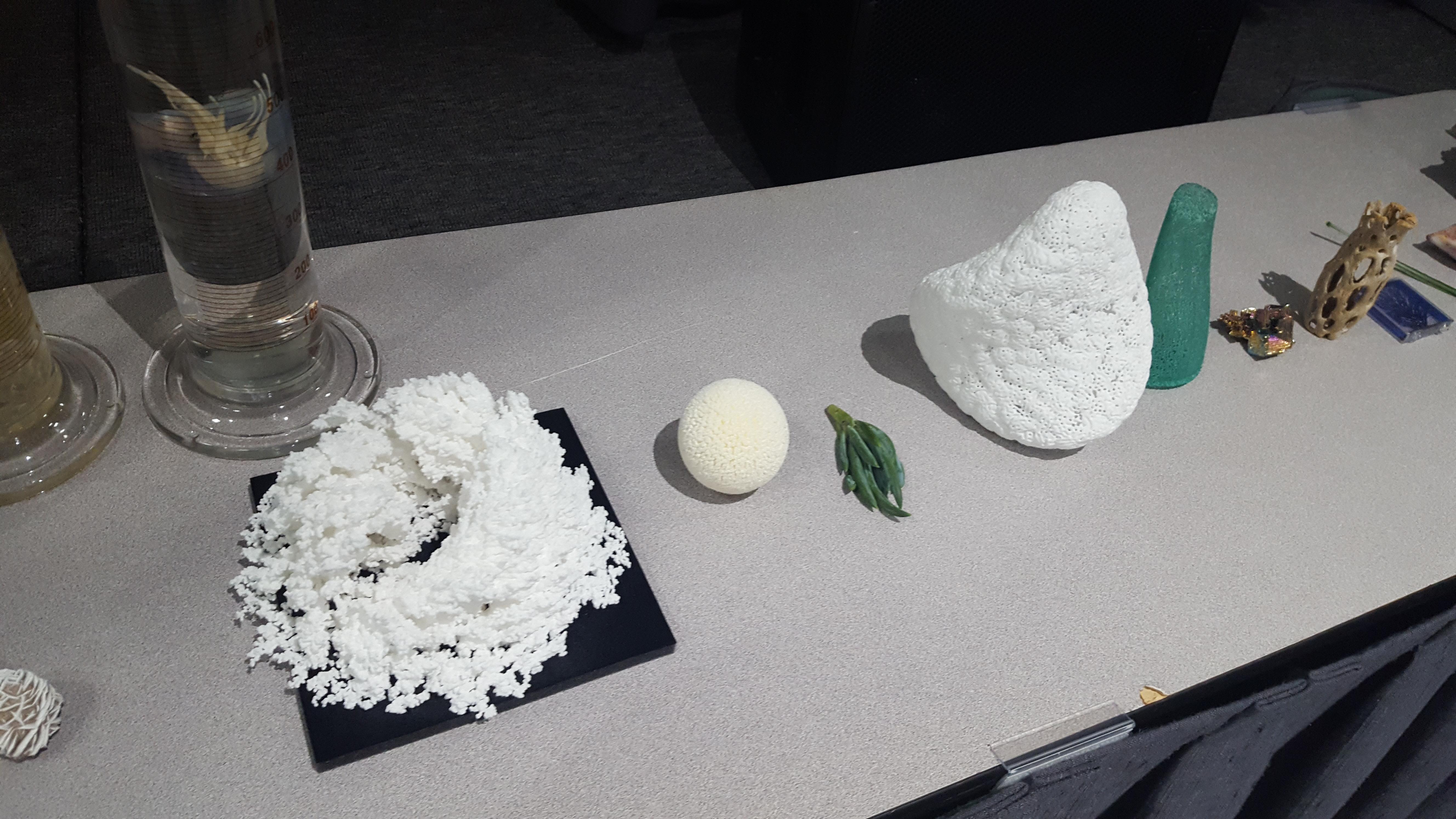
- 12. Human — Iain Jackson
- Over 80% correctly identified
- 13. Human — Mathieu Sanchez: This Is Not a Dog
- 58% thought this was human-made
- 14. Human — Ross Stevens
- 60% thought this was human-made
- 15. Human — Andrew Werby: Fircactyambar
- 71% correctly identified this
- 16. Human — Ross Stevens: Lysom
- 55% thought human-made
- 17. Human — Andrew Werby: Crojasamas
- About 72% correctly identified this
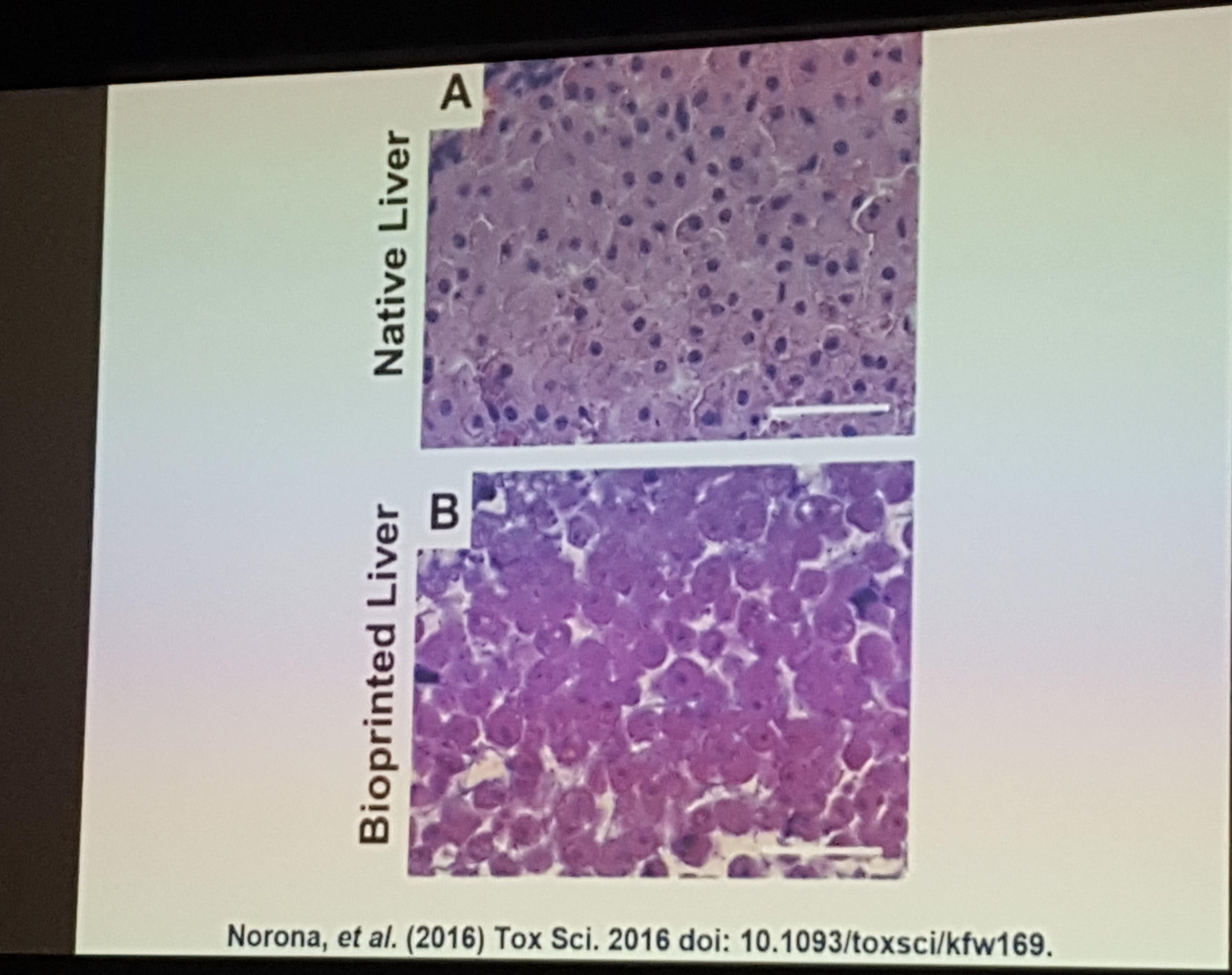
- 18. Human — Organovo: ExVive Human Liver Tissue and ExVive Human Kidney Tissue
- About 70% thought this had been nature-made
