Carbon capture and storage (CCS) is nothing new; scientists have been working for years on developing an effective method of trapping the carbon dioxide emitted from power plants. Unfortunately, thanks to high cost of the equipment and chemicals needed to trap such a large amount of CO2, not much progress has been made on the implementation of such a system on the scale needed to make a difference in emissions levels – which isn’t good, especially in the wake of the Paris Climate Agreement’s vow to keep global temperature increases below two degrees.
“Nobody can see us keeping temperatures increases below 1.5 degrees without these technologies,” said Dr. Oliver Geden at the German Institute for International and Security Affairs. “Yet there hasn’t been any debate about this technology and it doesn’t exist at scale.”
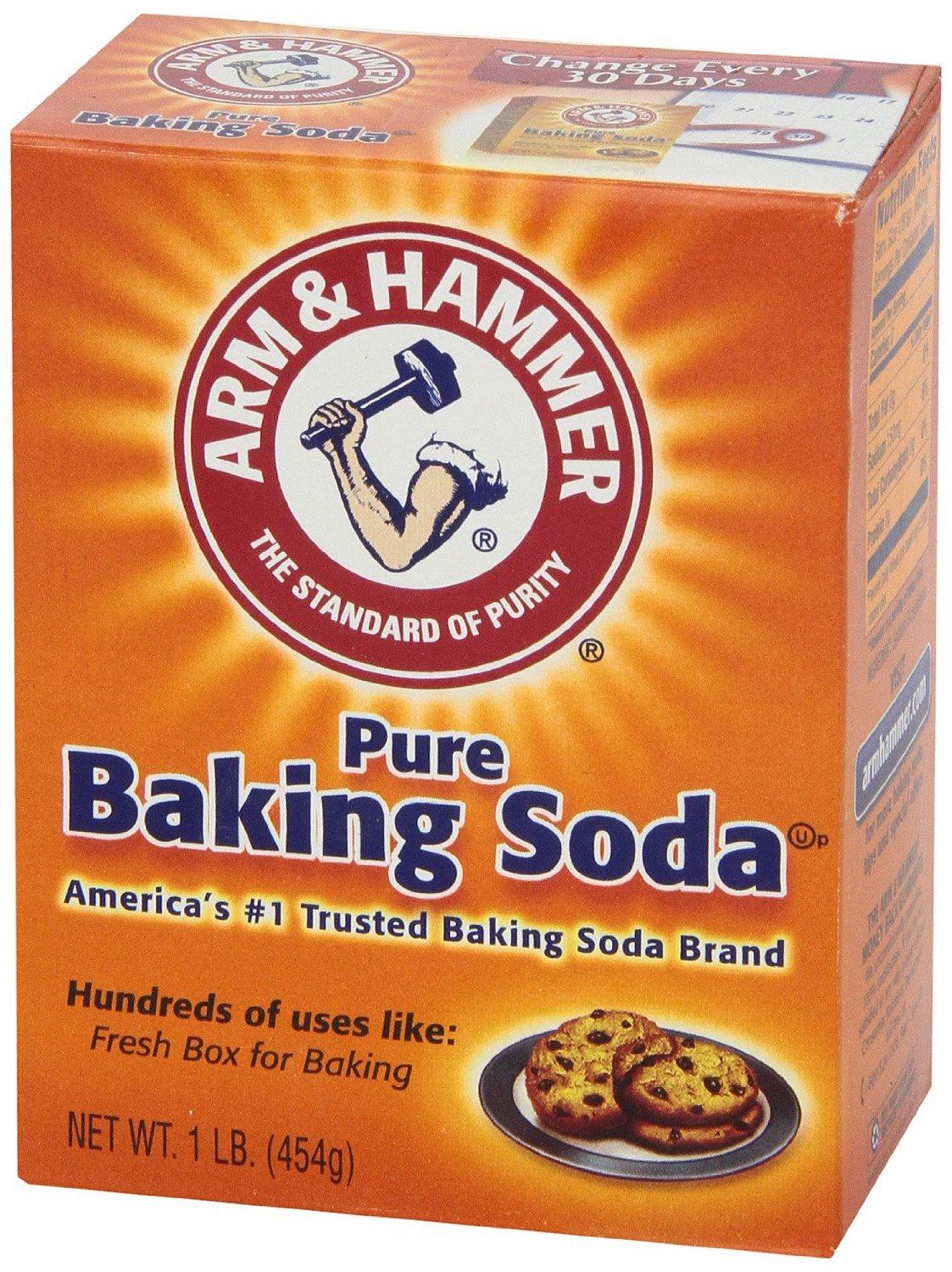
A team at LLNL is trying to change that. The researchers have developed microcapsules filled with a liquid solution of sodium carbonate and encased in a polymer shell that allows carbon dioxide to flow through. When the sodium carbonate comes into contact with carbon dioxide and water, it creates sodium bicarbonate, aka baking soda – a cheap, non-toxic carbon absorber. The research team tested the capsules by submerging them in sparkling water, which quickly went flat as the baking soda sucked up the carbon bubbles.
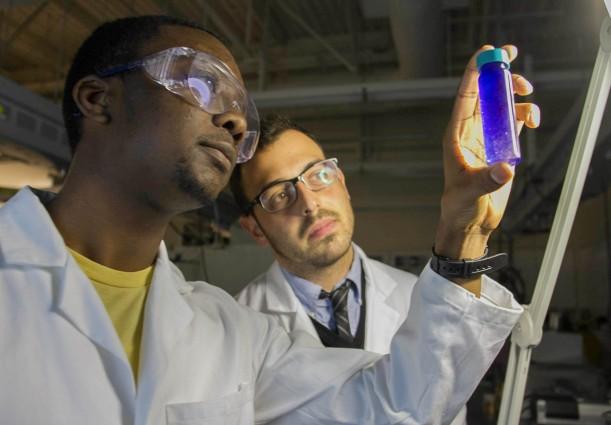
Lawrence Livermore researchers Will Smith and John Vericella study some of the carbon-trapping microcapsules. [Image: Julie Russell/LLNL]
“Like all the commercial CO2 schemes we have today, the goal for large scale implementation is taking many tonnes of gas from a power plant and finding geological features deep underground where we can inject that CO2 and it will stay indefinitely,” said Stolaroff. “Microcapsule solvents like we’ve developed can do that, we hope, at lower energy use and capital cost, about 40% lower than the current methods.”
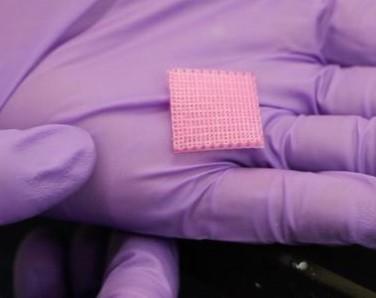
Such sponges can be easily and inexpensively 3D printed, which also provides the advantage of customization. The sponges can be designed and printed to perfectly fit a structure such as a chimney flue, filling it completely so that no carbon dioxide can escape past them. Because of the low cost and high versatility of the material, the research team believes that they can develop carbon recovery systems for a variety of facilities, not just power plants – like breweries, for instance.
A lot of work lies ahead, but the LLNL team believes that their system has the potential to save up to 40% in cost over current methods of carbon capture – not to mention saving energy and time. Furthermore, baking soda is much safer than the chemicals (such as monoethanolamine) used in current CCS technology. It almost sounds too good to be true: CO2 emissions from power plants are the single biggest contributor to global warming, and the idea of eliminating – or at least dramatically reducing – those emissions without collateral environmental damage and at minimal cost is incredibly exciting.
“We think in the US, our regulations will promote carbon capture and storage at a commercial scale around 2022, and we look at technologies that can be ready around that time,” said Stolaroff. “We hope that around that time frame the benefits of our technologies will be developed and known…Sometimes the solutions have been sitting right in front of you for a very long time. And we think there is great promise that baking soda might save the world!”
Discuss this new idea further over in the 3D Printed Fabrics with Baking Soda forum at 3DPB.com.
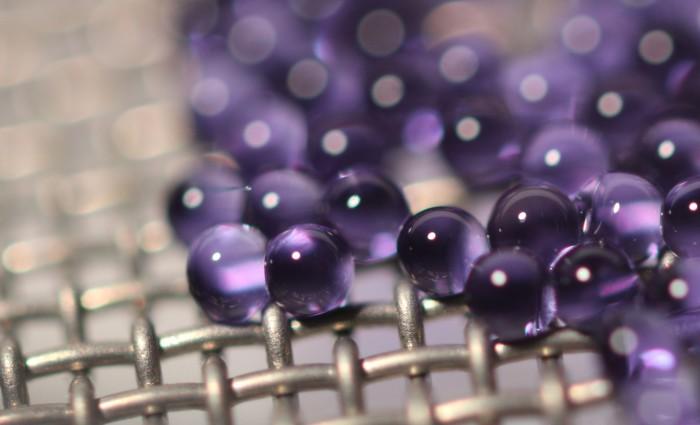
Microcapsules up close. [Image: John Vericella/LLNL]