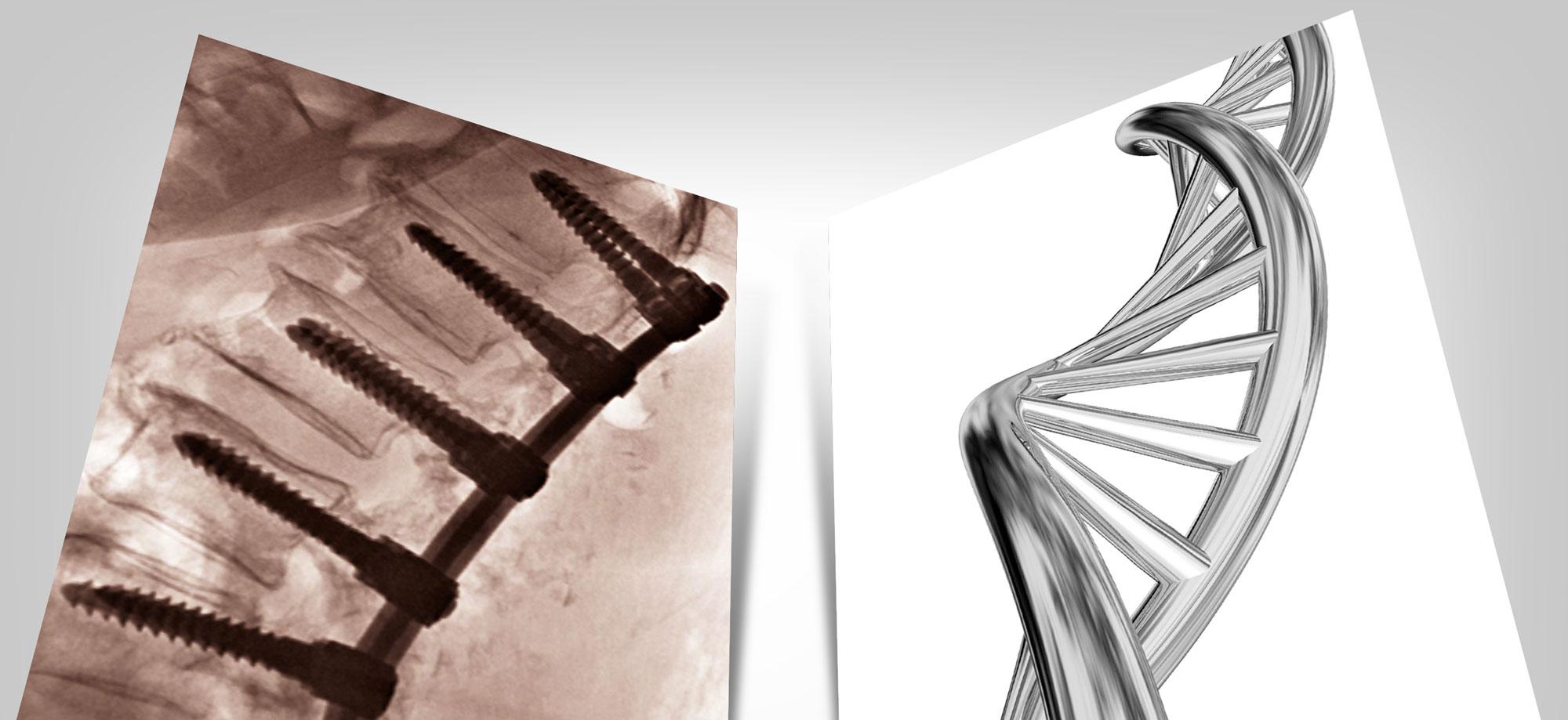
One c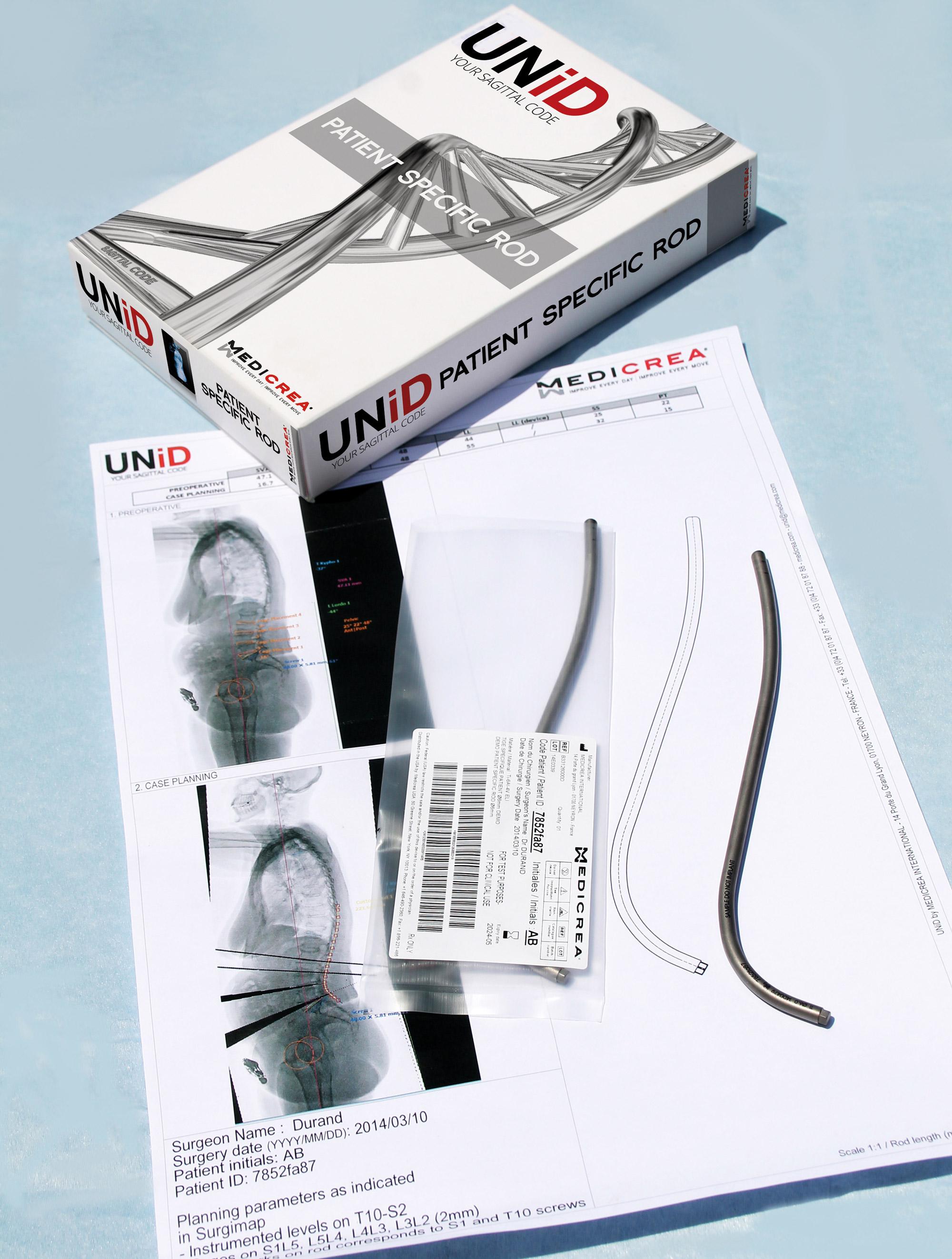
For those enduring chronic pain, companies like MEDICREA, constantly bringing new innovations to the spinal implant industry, are making a substantial difference for patients who are actually able to regain their daily lives.
The Lyon, France headquartered company (with subsidiaries in the US, Germany, and UK also) has just announced FDA approval of the very first patient-specific cervical rod, called UNiD. Designed for spinal surgeries, they state that this was ‘secured’ by their PASS OCT posterior cervical stabilization system, which is complementary to the device. Not only has the UNiD rod been approved, history has already been made with the implantation of one in New York on February 17th—and certainly, many many more to follow.
“The patient-specific cervical rod option is a natural extension of the UNiD portfolio. By providing patient-specific realignment implant options for the entire spine, we are again confirming MEDICREA’s leadership position in personalized, made-to-measure treatments,” said Denys Sournac, President and CEO. “This continued expertise brings pioneering technologies and services to the spine that are uniquely dedicated to improving clinical results for each patient.”
- Cervical
- Thoracic
- Lumbar
“The service model for the UNiD cervical rod follows the same effective collaboration between MEDICREA’s UNiD lab and spinal surgeons worldwide, which has surpassed the creation of custom UNiD thoracolumbar rods for more than 650 implantations to date,” states the company in their most recent press release.
What makes this rod and the resulting surgery so unique is that the company is able to use 3D printing technology to achieve what we hear so much about today—patient-specific care. And in this case, it’s patient-specific surgery too, offering a real gamechanger for the surgeons themselves. The rod’s shape is matched with the patient’s own spinal alignment, and allows for a customized plan for the procedure.
The level of customization available is key because this new product is able to directly affect the position of the head and neck—and according to the team at MEDICREA, this dramatically changes how the patient feels. That’s exactly what individuals suffering from constant pain want to hear as they consider a major surgery, and as pioneers in the custom spinal implant industry, the MEDICREA team was able to use new 3D technology to allow for greater relief in patients who truly are suffering.
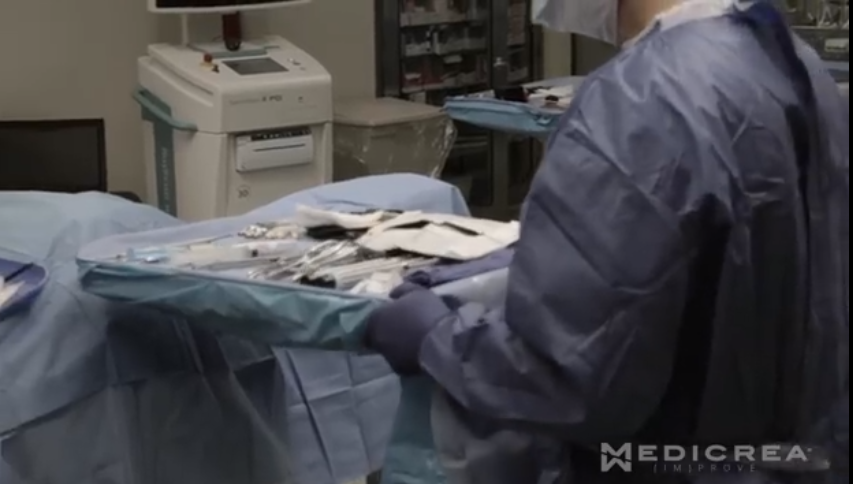
Not only do patients feel better, but MEDICREA is supplying surgeons with better tools, offering more streamlined solutions that are less invasive, faster, and easier—and all of this means less time in the operating room and less time for patients under anesthesia.
“I am so happy to have the UNiD cervical rod available. This pre-contoured patient-specific implant has eliminated the difficulty of manually bending transition rods, saving OR time and optimizing the execution of my operative plan,” said Dr. Themistocles Protopsaltis, noted as the first surgeon to use MEDICREA’s UNiD patient-specific services on the cervical spine. “My professional collaboration with MEDICREA’s UNiD lab translated easily into a seamless intra-operative experience and the best possible care I can offer my patient—a personalized treatment.”
“It’s quite a challenging patient population as there are patients who are debilitated, can’t stand up very well, can’t walk very well, can’t do their activities in daily living, Getting them better alignment with some special tools that our partners at MEDICREA have been able to give us to help us optimize our corrections, we can get these patients back to living the live that they really want to live.”
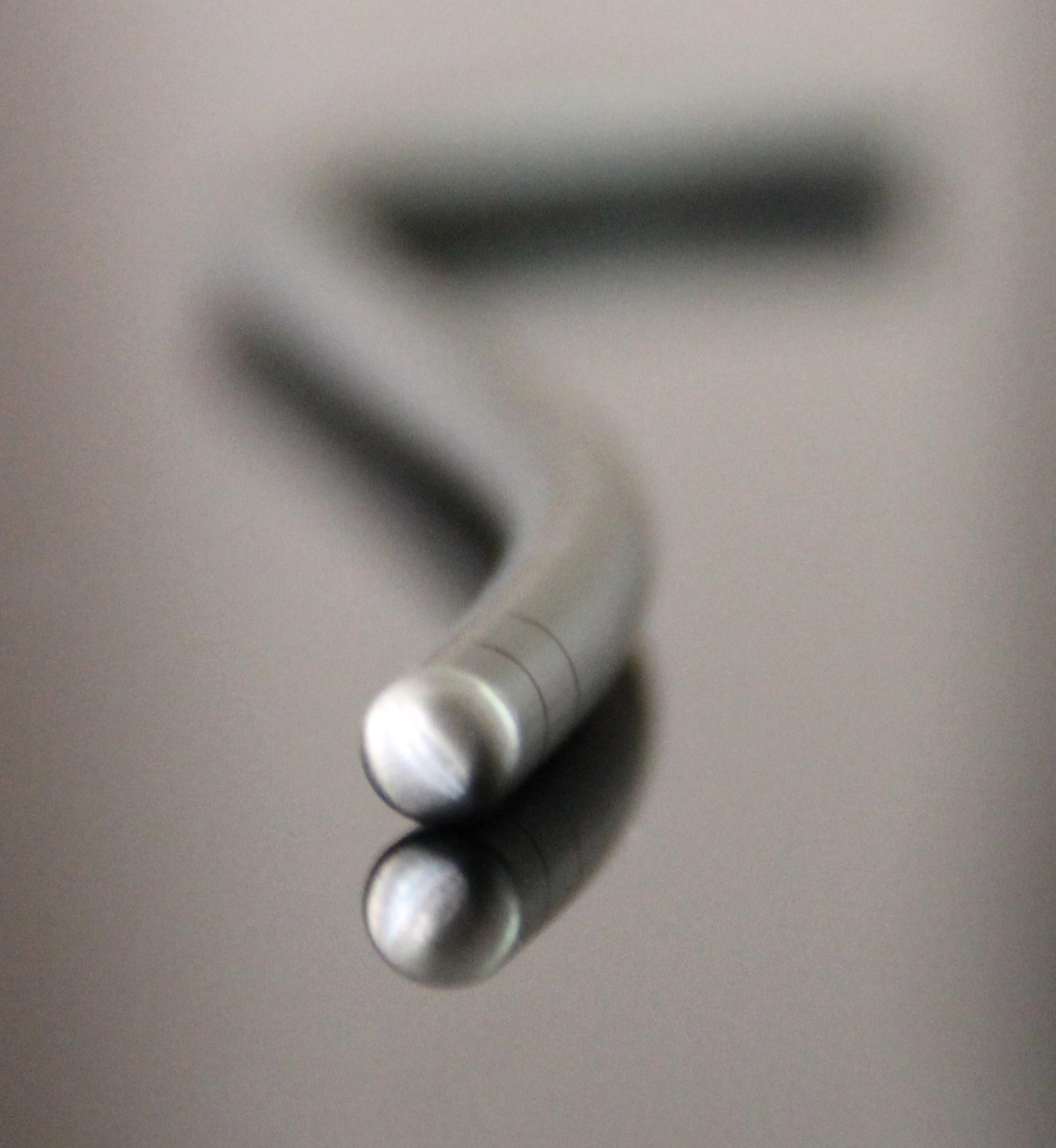
“The UNiD Cervical Rod technology removes this existing surgical barrier by creating two strictly identical single or dual-diameter rods manufactured specifically for the patient and delivered directly to the operating room,” states the Medicrea team in their press release.
The rods are going to be available in two alloys—Titanium TA6V ELI/Cobalt Chromium—and in a single-diameter (3.5mm) or dual-diameter option (3.5mm transitioning to either 5.5mm or 6.0mm). They are secured using MEDICREA’s versatile PolyAxial Spine System (PASS) posterior fixation platform, PASS OCT Posterior Cervical Stabilization System, which allows 11mm of gentle reduction capability across all anchorages and medial or lateral rod placement.
Most will agree—even without a medical degree—this is certainly a novel technology, aided by the futuristic world of 3D. We will continue to follow as many more surgeons around the globe realize the benefits in using the UNiD rods, allowing them to better plan out their surgeries, execute their operative plans without error, reduce the opportunity for rod failure, and be in and out of the operating room faster. Discuss in the 3D Printed Medicrea Implants forum over at 3DPB.com.