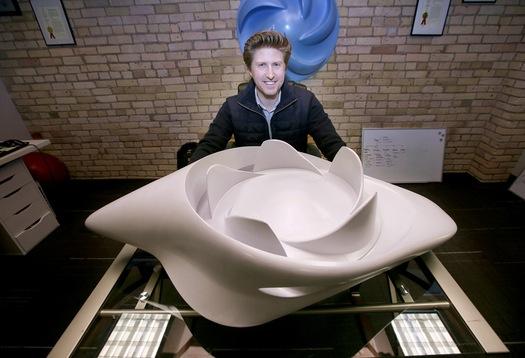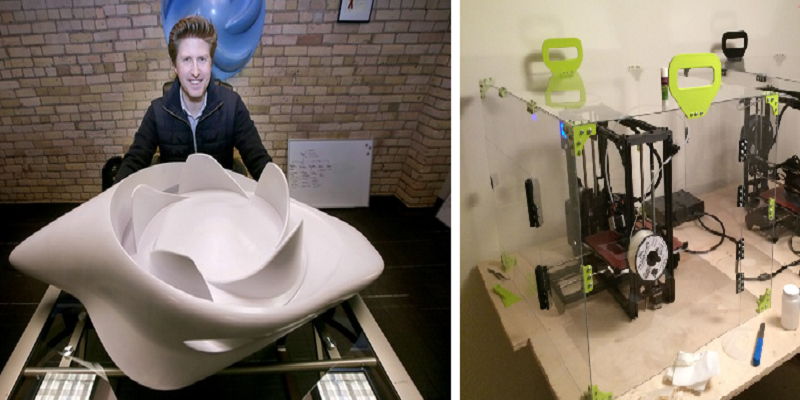
Verterra calls its 3D printed turbine prototype the Volturnus. It is a four-foot-long object intended to power a number of different technologies in remote areas — the company’s initial target recipients of its unique brand of intelligent power. Ted Christopher, CEO of Verterra Energy, Inc., explains the rollout strategy for the Volturnus turbine:
“Initially [Volturnus is] going to have the biggest impact in the areas that are just starting to develop or don’t have any electricity or any infrastructure right now. We’re going to be able to go into these places and literally in the matter of a day they’re going to have purified water for the first time; they’re going to have electricity for cellphone towers and the Internet and computers and refrigerators and LED lighting.”

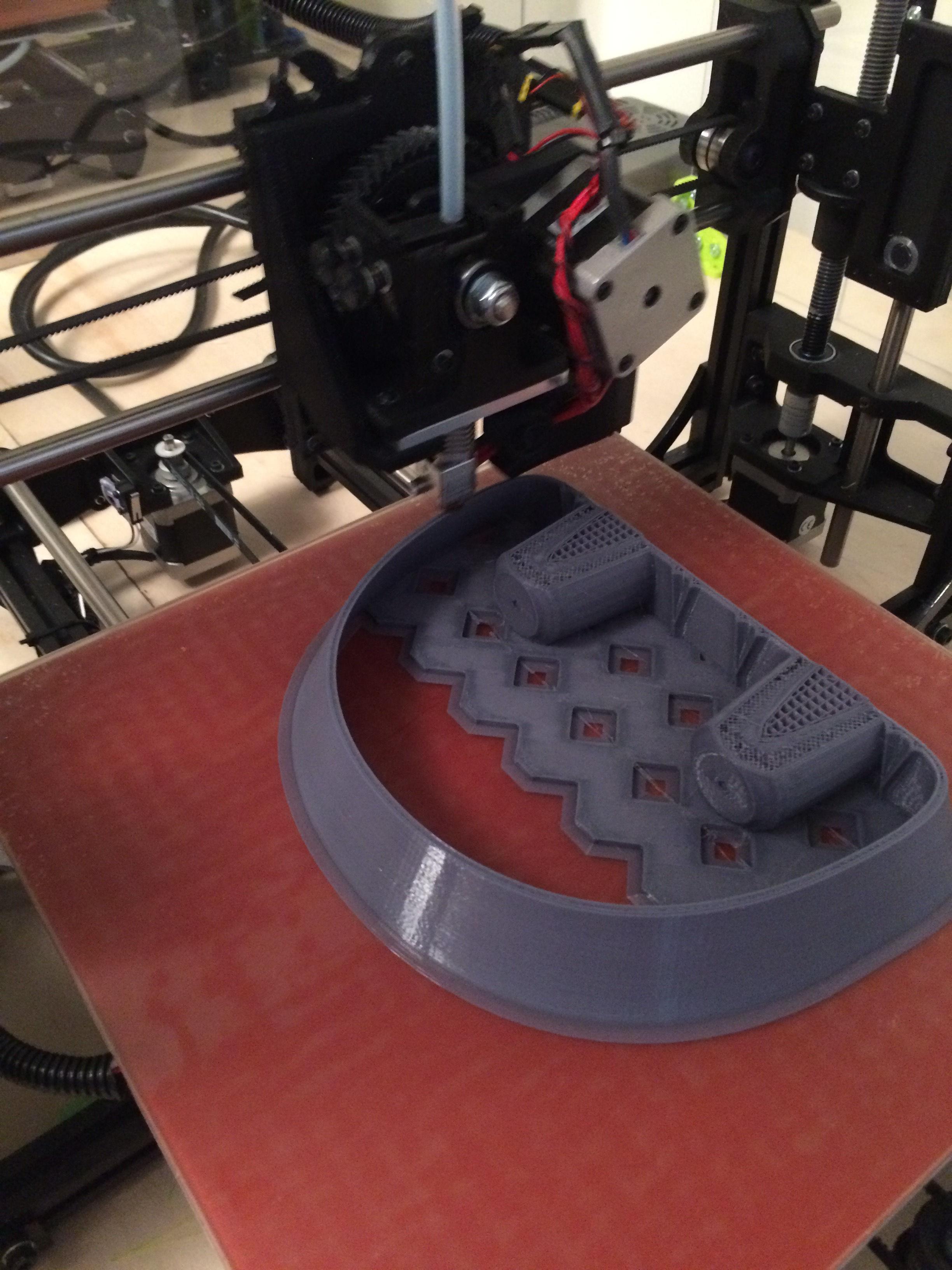
“[The LulzBot TAZ has] been tremendously beneficial because…once we’ve got the print started and running, we’re off doing other things. We’re going to meetings, we’re networking, we’re developing the business instead of actually hand fabricating…There is no way we could have achieved the level of detail and accuracy by hand fabricating the Volturnus prototype. It’s so much easier and faster, and quite a bit cooler I think [with a 3D printer].”
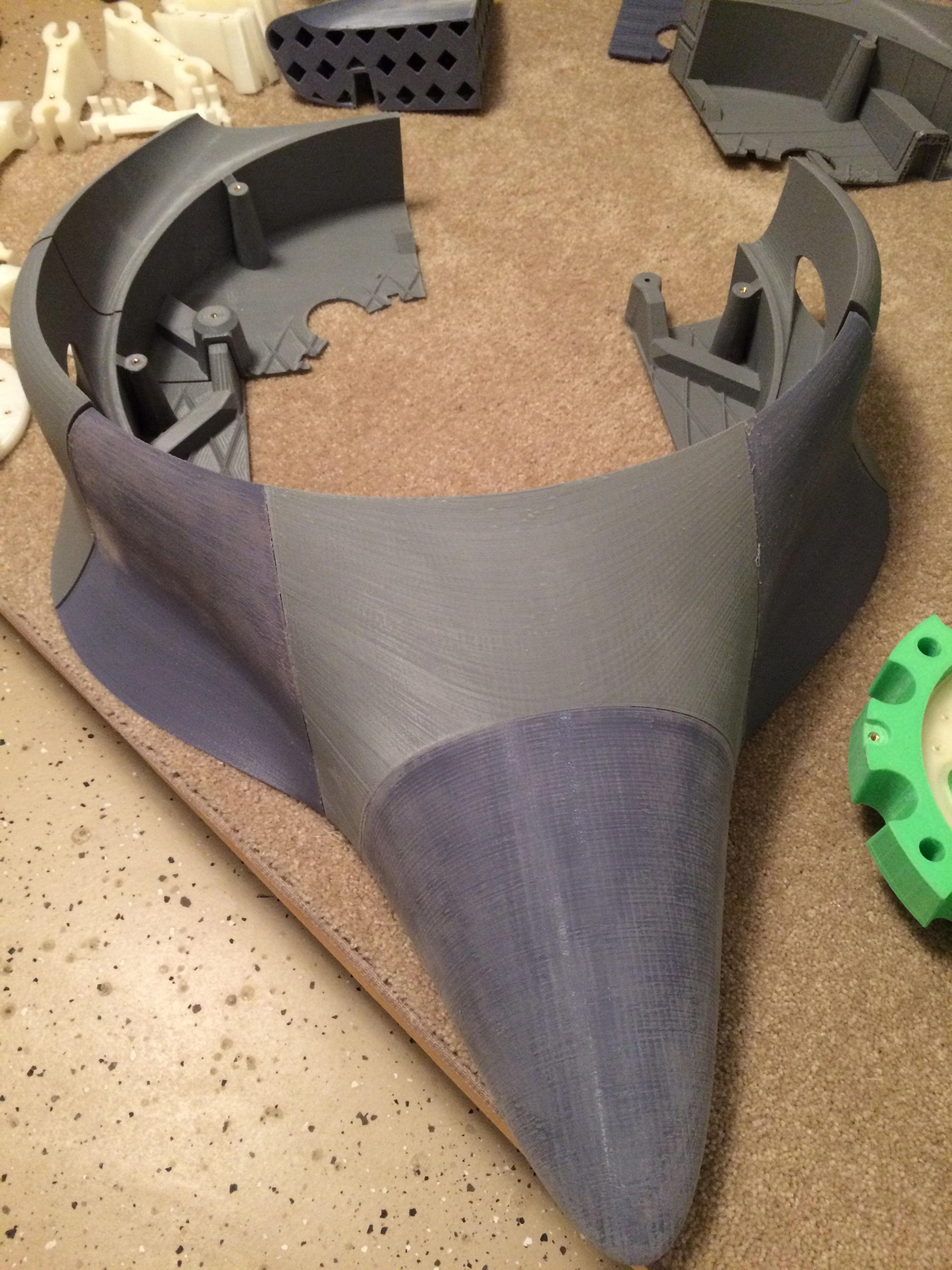
Technical support and quality are the last two reasons given for Verterra Energy’s choice of 3D printers. Now that the company has had the 3D printing experience, there’s no going back, as it aims to become fully commercially operable within three years.
“It’s an amazing new field here with 3D printers, and just the power that it gives startups to make these parts and to make prototypes is extraordinary,” says Christopher. “What’s so cool about 3D printers is we’re getting back into that American spirit of actually making things and innovating again…If you can dream it and design it, you can…make the real thing.”
It seems all systems are going in the right direction for Verterra Energy, which has definitely caught the 3D printing spirit as it seeks to develop its hydropower turbine form of intelligent power. Alternative energy, green technology, and 3D printing once again prove to be strongly compatible, and it appears we will be seeing more from Verterra Energy in the (intelligently designed, 3D printed, and alternatively fueled) future. Have you used the LulzBot Taz? Discuss in the Verterra Energy Uses LulzBot Taz 3D Printer forum over at 3DPB.com.
[Images: Verterra Energy, via LulzBot]