
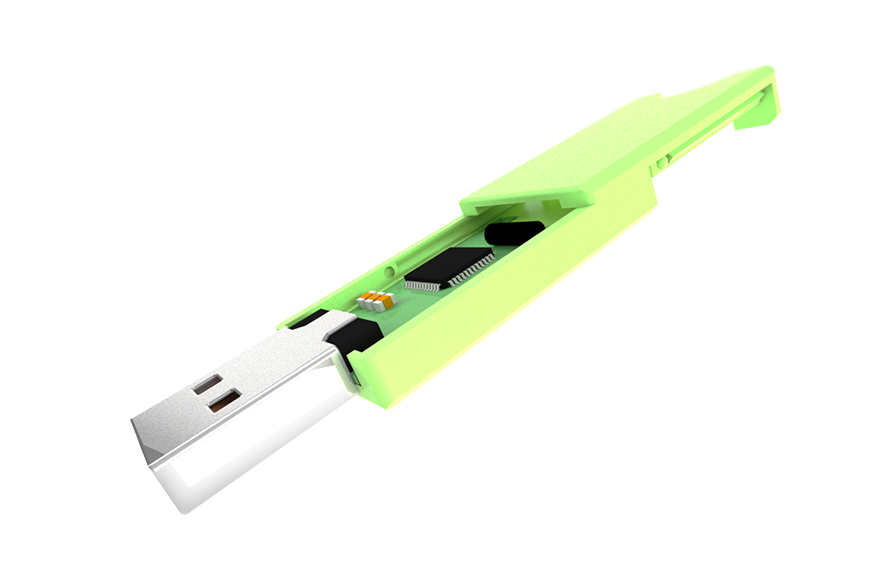
The project culminated after Kitronik worked with over 3,000 UK schools. Their team set out to create a ‘starter project’ which would allow entire classrooms–teachers included–to explore and use the power of 3D printing and CAD in design and technology lessons. They wanted the lessons to appeal to those working from the desktop, whether in school or at home, and found the USB case to be a quick, realistic way to make a first-time 3D print–perfect for a novice, but still offering some challenge in learning,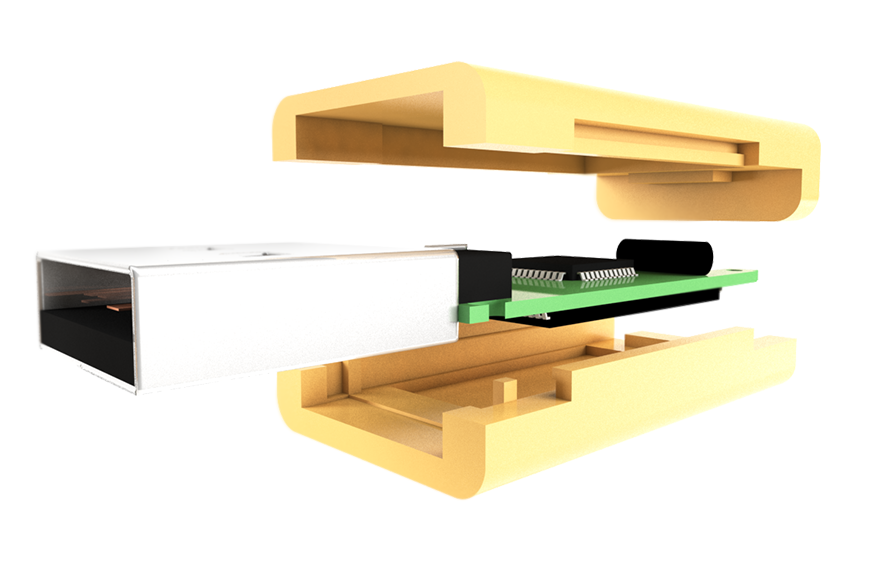
Providing accessibility to electronics and 3D printing, and allowing technology to expand young minds is the overall goal at Kitronik, the leading provider of electronic project kits and educational resources to schools. Founders Geoff Hampson and Kevin Spurr actually got their start with Kitronik after creating a line of customized electronic project kits for the National Curriculum programs of study for Design and Technology at Key Stages 3 and 4. We’ve followed them earlier this year as they partnered with Robox, working to benefit many schools in the UK. They are also a partner in the BBC micro:bit project, which endeavors to provide middle-schoolers with a pocket-sized codeable computer.
Now, they will be offering another technologically empowering program as the memory stick project is placed online. This great set of free resources, designed using Autodesk, is available at Kitronik.
“We make resources free via our website as we want more people to become interested in electronics and design and technology and to have access to resources and ideas,” says Kitronik Co-Founder Kevin Spurr. “That’s why Kitronik was started!”
“Our main focus was to demonstrate the variety of methods of fixing cases together. Students have the opportunity to compare different fastening mechanisms such as slides, screws and clips. We’ve kept the designs simple so that it’s easy to see how they work, though they could easily be altered to create bespoke shapes. In addition, all of the techniques described could be applied to cases for alternative types of products.”
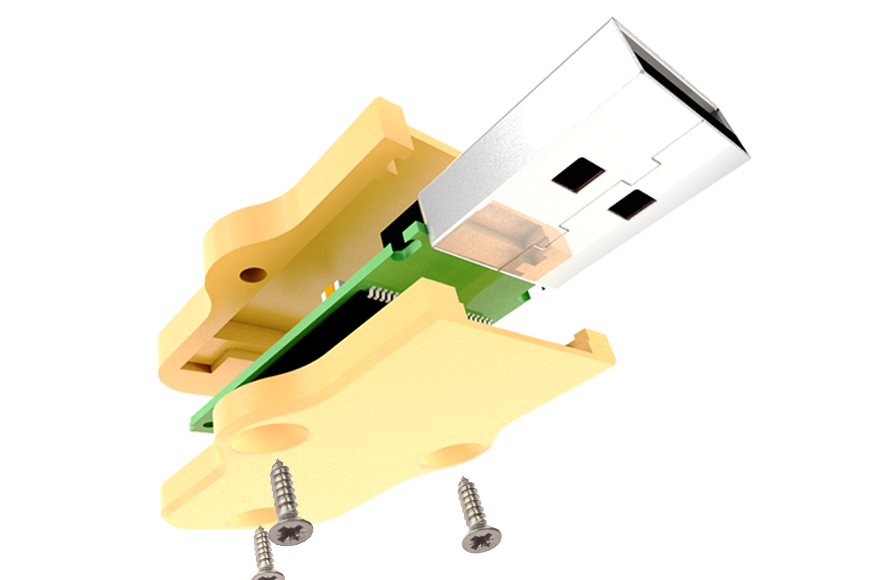
“We thought that creating a project that enabled students to create their own 3D printed USB stick cases would be a good addition to our range of resources as it offers a great introductory starter project and the end product is something practical that can be used every day. This is especially true for the schools we work with, as children will be able to store their work on the memory stick in the case they have created!”
The resources have been created to work with Kitronik’s uncased memory stick modules and have been test printed on a Robox 3D Printer. Design files include both the CAD model of the memory stick itself and also the case design. Teachers are welcome to download these resources for use in their own designs and lessons. This is the just the latest in their series of free resources, following the micro:bit.
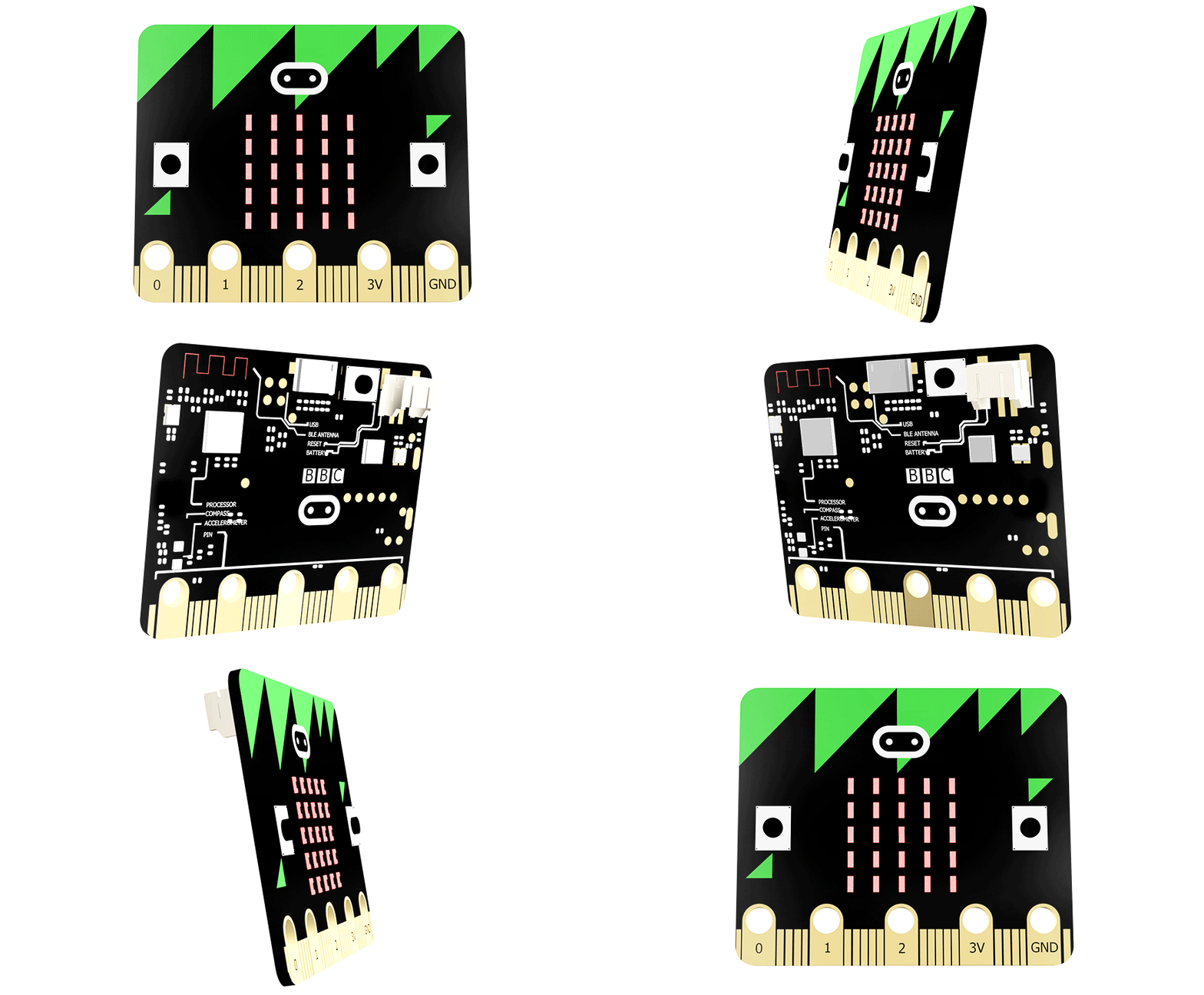
The micro:bit