
There is no shortage of the bizarre beliefs that have been concocted by human beings since prehistory. Not so long ago, European doctors prescribed powders made from ground up excavated Egyptian mummies to make fantastical cure-all medicines that were pedaled not just among quacks but as a regular part of an apothecary’s ingredients. When the fashion for mummy medicine passed, it was not the end of the ‘medical’ madness, and to this day bits of animals such as sharks, tigers, and rhinos are sought after as powerful, magical panaceas.

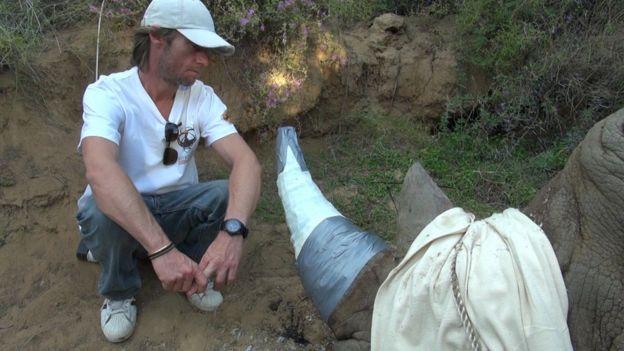
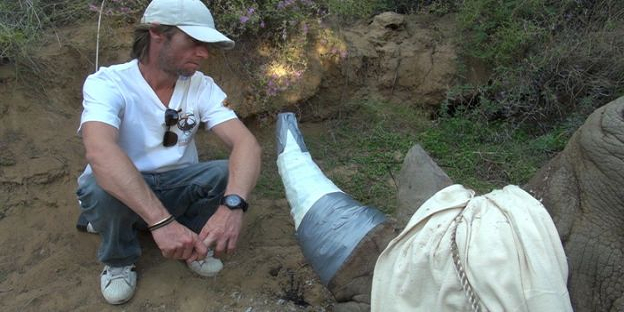
Vergnaud was first able to deliver a bit of good news with the announcement that the reserve had welcomed a baby rhino into the world after nearly 20 years without such an event. He then went on to discuss some of the efforts they have made at the reserve to reduce the value of the animals’ horns, and thereby diminish the incentives for poaching. The first approach was to inject dyes into the horn in an effort to destroy its value, even after injecting this dye in fifty places in a horn, however, they still lost some of their rhino to poachers. Vergnaud decided it was time to try and take this idea to the next level and devised a new plan involving 3D printing:
“The concept is quite simple. We take a picture of the rhino, using a 3D computer design program, and create a horn mold with the 3D printer. We cut the rhino’s real horn off and fill the mold with liquid plastic and aluminum. It dries very quickly and when we remove the mold, we have a horn which is the same color, shape and size as the original.”
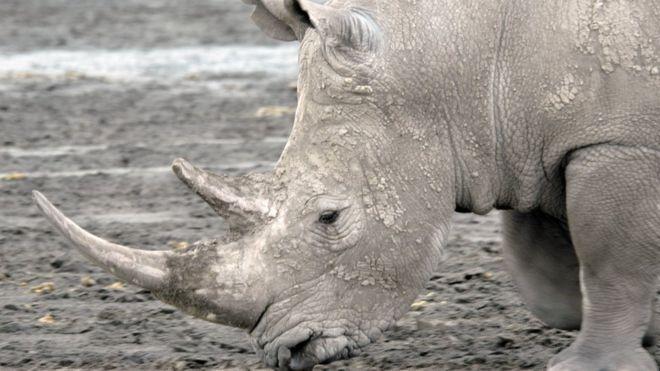
“In small game reserves like mine where there are five or six rhino, it’s very easy to communicate to poachers that the horns are not real. But I don’t say it’s the solution for everywhere. In a big park like Kruger Park where they’ve got thousands of rhino, the killing would not stop immediately. The rhino will still die for a period. But quite soon the criminals would see that they are taking enormous risks of getting shot for nothing, to pick up some plastic.”
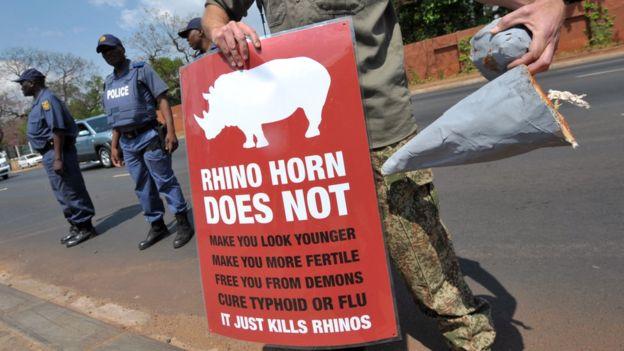
It’s a unique way of addressing the situation and one that would have to be part of a larger awareness and alternatives campaign. In this way, the very valuelessness of the products of 3D printing would actually be among its most priceless contributions to the world.
Another approach that we took a look at earlier this year involved instead bioprinting new horns for the rhinos. Discuss this story in the 3D Printed Rhino Horn forum thread on 3DPB.com.